

 By
By In an era where speed, precision, and reliability define business success, supply chains have become more complex than ever. Behind the scenes of this global movement lies a powerful yet often overlooked component—modern container yards. Alongside Global Container Terminals and facilities like a Container Freight Station in Mumbai, container yards play a decisive role in keeping goods moving smoothly across borders.
More Than Just Storage Spaces
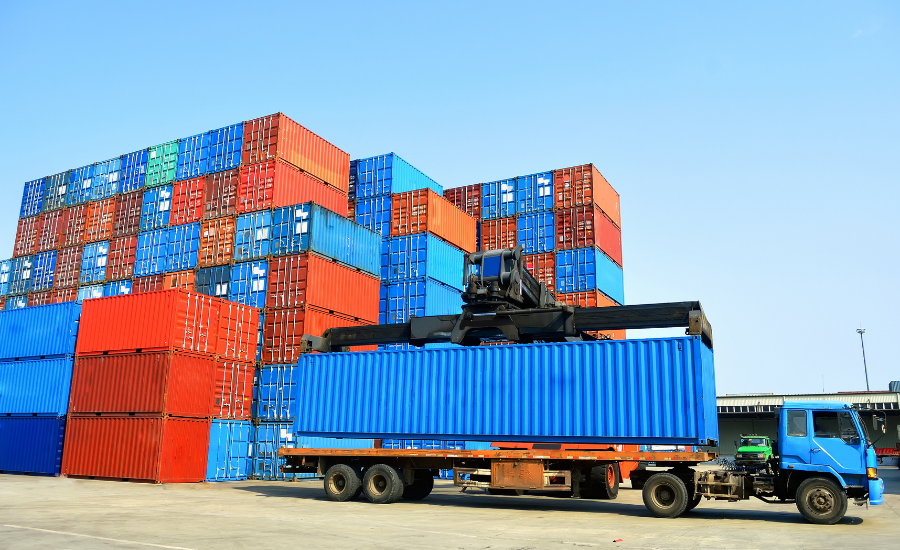
Traditionally, container yards were viewed as simple holding areas for cargo. Today, they have evolved into highly organized logistics hubs that manage the flow of thousands of containers daily. These yards are designed to handle storage, sorting, tracking, and quick movement of goods, making them a critical link between ports, transportation systems, and final delivery points.
Rather than being passive storage zones, modern container yards actively coordinate cargo movement, ensuring that shipments remain on schedule and supply chains stay uninterrupted.
The Engine Behind Efficient Cargo Flow
One of the biggest challenges in logistics is ensuring that cargo transitions smoothly between ships, trucks, and rail. Container yards solve this challenge by acting as coordination centers where containers are strategically placed for quick access and transfer.
Efficient yard management reduces congestion, prevents delays, and improves turnaround time for vessels and vehicles. This is especially important in busy trade environments where even a minor delay can disrupt entire supply chains.
Supporting High-Volume Trade Hubs
In major logistics cities, facilities such as a Container Freight Station in Mumbai work closely with container yards to enhance operational efficiency. While container yards manage the storage and movement of containers, freight stations handle cargo consolidation, deconsolidation, and documentation.
This collaboration ensures that goods are processed faster, customs procedures are streamlined, and shipments are dispatched without unnecessary hold-ups. In high-demand markets, such integration becomes essential to maintaining a smooth logistics cycle.
Flexibility in a Dynamic Market
Supply chains rarely operate on fixed schedules. Delays, demand fluctuations, and unforeseen disruptions are common. Container yards provide the flexibility needed to handle these uncertainties by offering temporary storage and buffer capacity.
Whether it’s holding containers during peak seasons or managing overflow cargo, these yards help businesses adapt without compromising delivery timelines. This flexibility is a key factor in maintaining consistency in global trade operations.
Cost Control and Operational Efficiency
Modern container yards contribute significantly to reducing logistics costs. By optimizing container placement and improving handling efficiency, they minimize unnecessary movement and reduce fuel and labor expenses.
Faster processing also helps avoid penalties such as demurrage charges, which can increase costs if containers are delayed at ports. Efficient yard operations, therefore, not only improve speed but also enhance profitability for businesses.
Enhancing Visibility and Control
With the integration of advanced technology, container yards now offer real-time tracking and monitoring of cargo. Businesses can know exactly where their shipments are, how long they will take, and whether any delays are expected.
This level of visibility improves planning, strengthens coordination, and allows companies to make faster, data-driven decisions. In a competitive market, such control can be a major advantage.
Building Resilient Supply Chains
Recent global disruptions have shown how vulnerable supply chains can be. Modern container yards play a crucial role in building resilience by enabling quick adjustments, rerouting shipments, and managing unexpected surges in demand.
Their ability to absorb shocks and maintain flow makes them indispensable for businesses aiming to stay competitive in uncertain environments.
The Strategic Importance
As global trade continues to expand, the importance of Global Container Terminals and integrated yard systems will only increase. Container yards are no longer just operational necessities—they are strategic assets that determine how efficiently goods move across the world.
Conclusion
Modern container yards are the backbone of seamless supply chains. By ensuring efficient cargo handling, enabling flexibility, reducing costs, and enhancing visibility, they keep global trade running without interruption.
In a world driven by speed and precision, investing in advanced container yard infrastructure is not just beneficial—it is essential for long-term success.