

 By
By The industrial landscape is evolving rapidly, and the demand for stronger, smarter, and more durable piping components is reshaping the future of the manufacturing sector. Among the most critical components in industrial piping systems are Flanges, which play a vital role in connecting pipes, valves, pumps, and other equipment across industries such as oil & gas, chemical processing, power generation, marine, and infrastructure.
As industries push toward automation, sustainability, and high-performance operations, manufacturers are adopting advanced technologies and innovative materials to meet rising expectations. Today, leading Pipe fittings manufacturers in India are not only focusing on precision engineering but also investing in modern production methods and next-generation materials to stay globally competitive.
Rising Demand for High-Performance Materials
One of the biggest trends shaping the future of Flanges manufacturing is the shift toward advanced and corrosion-resistant materials. Traditional carbon steel flanges are now increasingly complemented by stainless steel, duplex steel, super duplex steel, Inconel, titanium, and alloy-based materials.
Industries operating in extreme temperatures, high-pressure environments, and corrosive conditions require piping components that can withstand harsh operational demands. Advanced materials improve durability, reduce maintenance costs, and extend the lifespan of industrial systems.
Modern Pipe fittings manufacturers in India are rapidly upgrading their manufacturing capabilities to produce specialized flanges suitable for critical industrial applications worldwide.
Automation and Smart Manufacturing
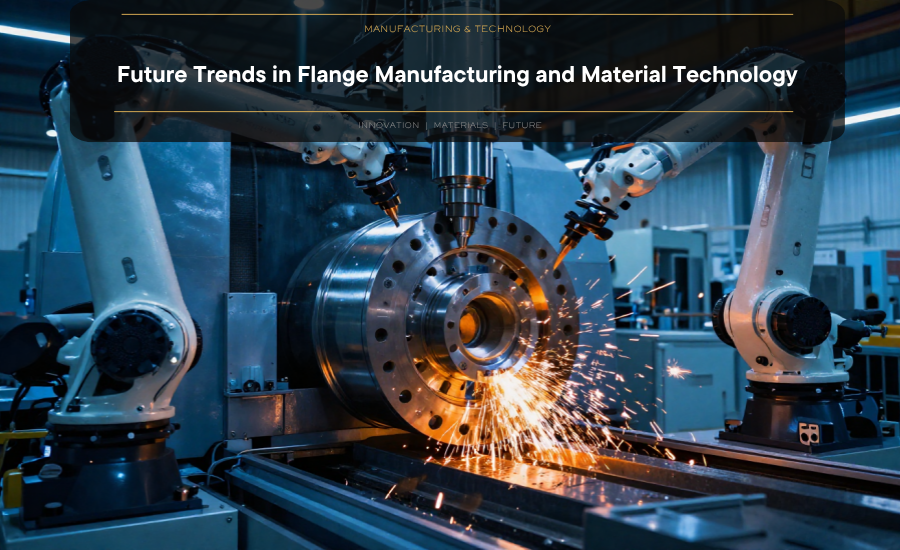
The future of flange production is heavily influenced by Industry 4.0 technologies. Automation, robotics, and AI-driven quality control systems are becoming standard in advanced manufacturing facilities.
CNC machining, automated forging systems, and laser-based inspection technologies help manufacturers achieve exceptional precision and consistency. Smart manufacturing also reduces production errors, improves efficiency, and shortens delivery timelines.
Many global buyers now prefer suppliers who use digitally controlled production systems because they ensure higher quality standards and traceability. This technological transformation is helping Indian manufacturers compete effectively in international markets.
Sustainable Manufacturing Practices
Sustainability is becoming a major focus in industrial manufacturing. Companies are increasingly adopting eco-friendly production methods to reduce carbon emissions and material waste.
Energy-efficient furnaces, recyclable raw materials, and optimized manufacturing processes are gaining importance in the production of Flanges and pipe fittings. Sustainable practices not only support environmental goals but also help manufacturers comply with international regulations and certifications.
Forward-thinking Pipe fittings manufacturers in India are investing in green manufacturing initiatives to align with global sustainability standards and customer expectations.
Growth of Customization and Specialized Solutions
Modern industrial projects often require highly customized piping solutions. As a result, flange manufacturers are moving beyond standard designs and offering tailor-made products for unique operational requirements.
Custom dimensions, pressure ratings, coatings, and material grades are increasingly in demand across industries such as petrochemicals, pharmaceuticals, and offshore engineering.
Advanced design software and precision engineering tools now allow manufacturers to develop specialized Flanges with enhanced reliability and performance. This trend is expected to grow significantly as industries become more technically demanding.
Additive Manufacturing and 3D Printing
One of the most exciting future developments in the industry is the adoption of additive manufacturing, commonly known as 3D printing. While still emerging in heavy industrial applications, this technology has the potential to revolutionize the production of complex flange designs and prototypes.
3D printing can significantly reduce production time, minimize material wastage, and allow faster product development cycles. As the technology matures, it may become an integral part of advanced industrial manufacturing.
Enhanced Quality Standards and Global Expansion
Global industries are placing greater emphasis on safety, reliability, and compliance. This is encouraging manufacturers to adopt stricter quality assurance systems and international certifications.
Indian manufacturers are increasingly exporting industrial piping products to international markets due to their competitive pricing, engineering expertise, and improved manufacturing infrastructure. Today, many Pipe fittings manufacturers in India are recognized globally for delivering high-quality products that meet international standards.
Conclusion
The future of Flanges manufacturing is being shaped by innovation, advanced materials, automation, and sustainability. As industries continue to demand higher efficiency and durability, manufacturers must embrace modern technologies and smarter production methods.
With strong engineering capabilities and growing technological adoption, Pipe fittings manufacturers in India are well-positioned to lead the next phase of industrial manufacturing growth. Companies that invest in innovation, precision, and sustainable practices will continue to thrive in the evolving global market.